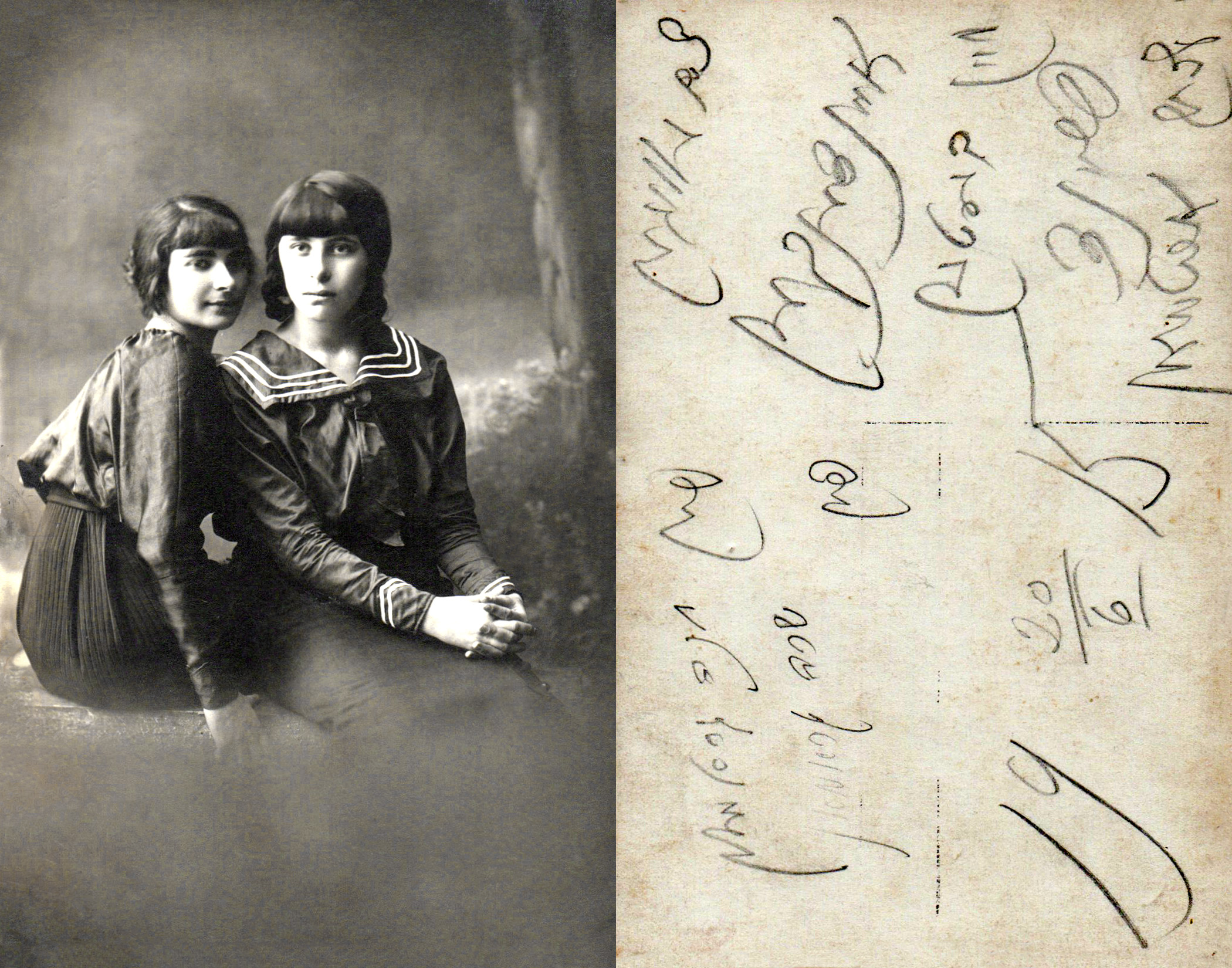
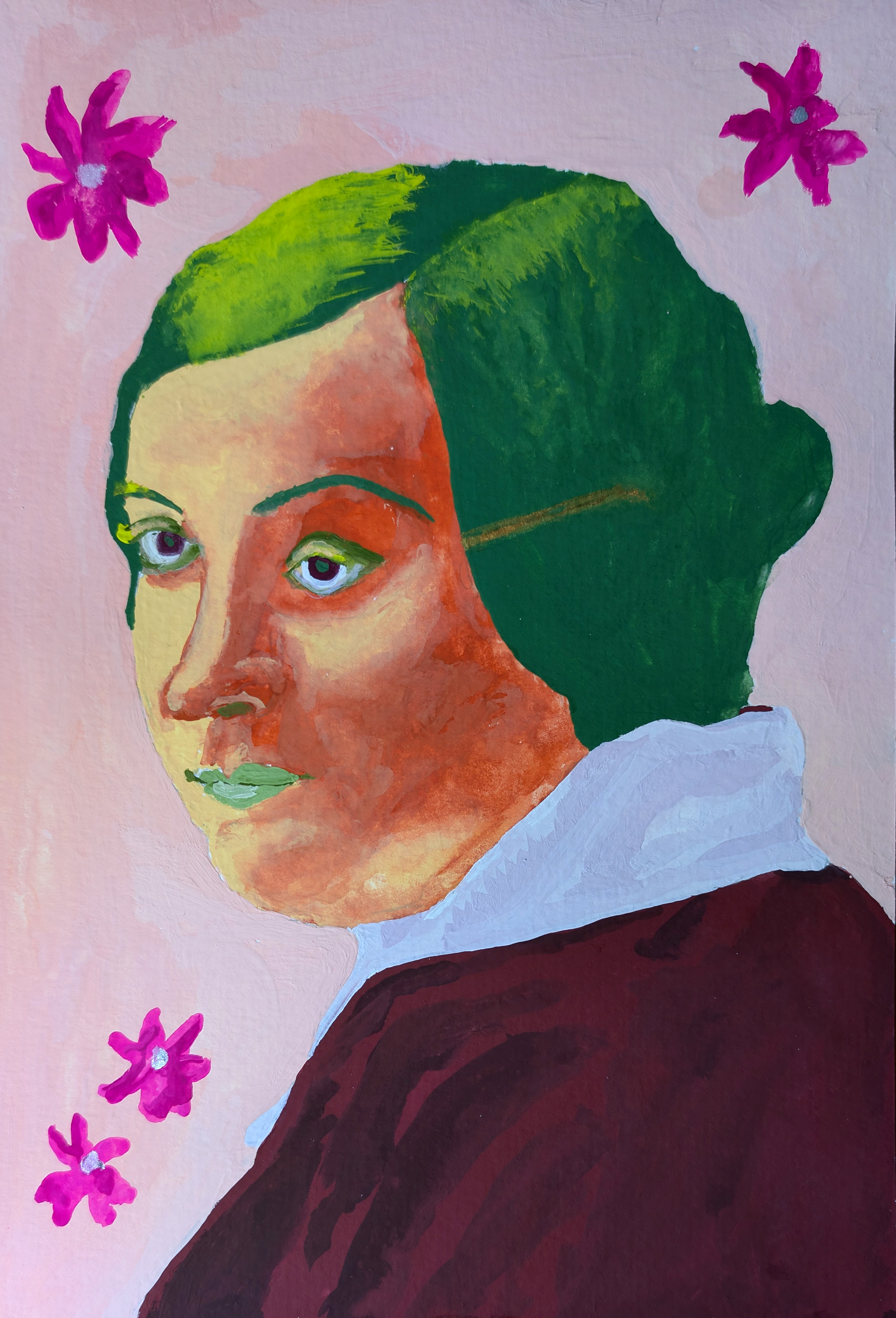
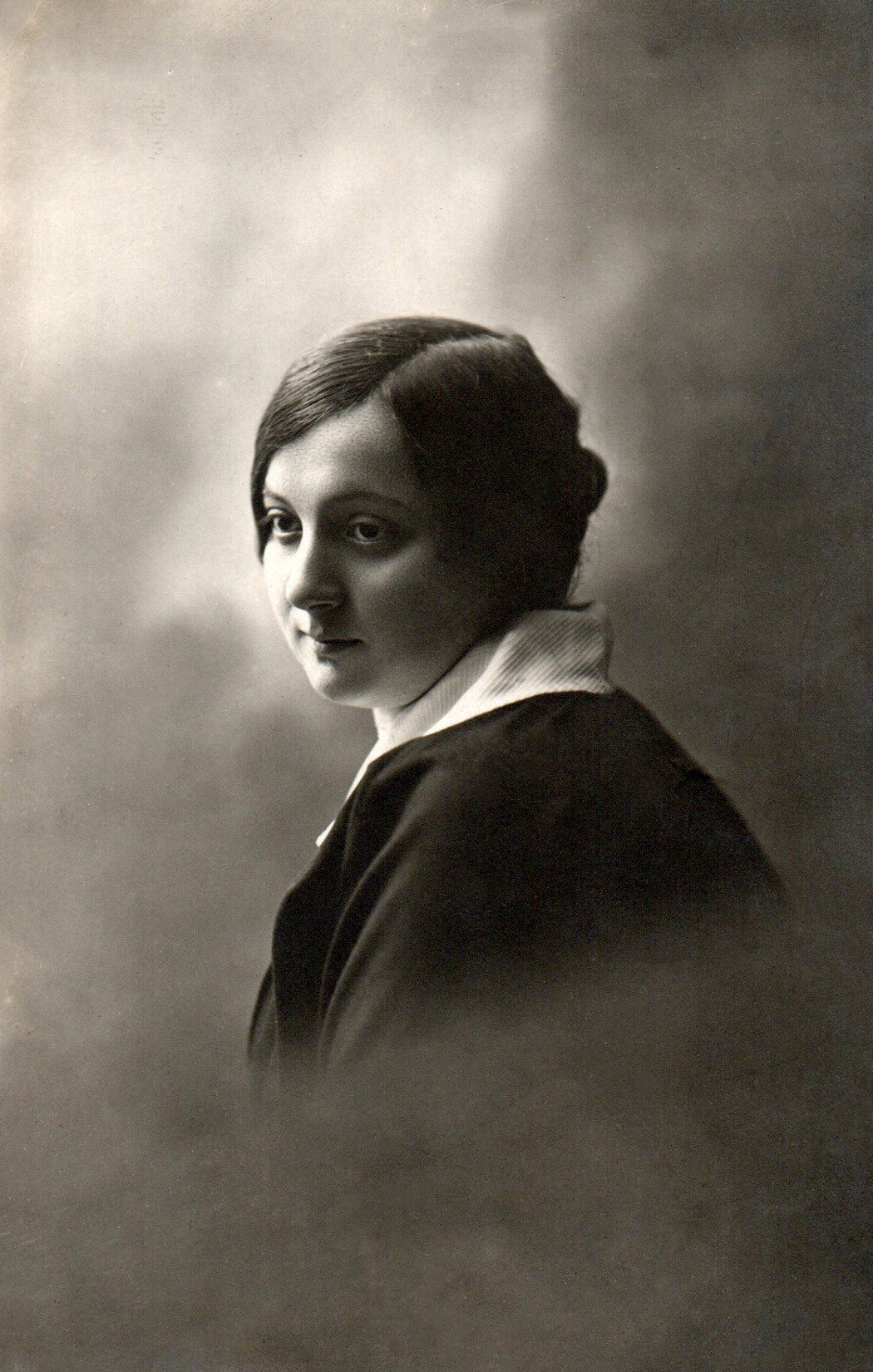
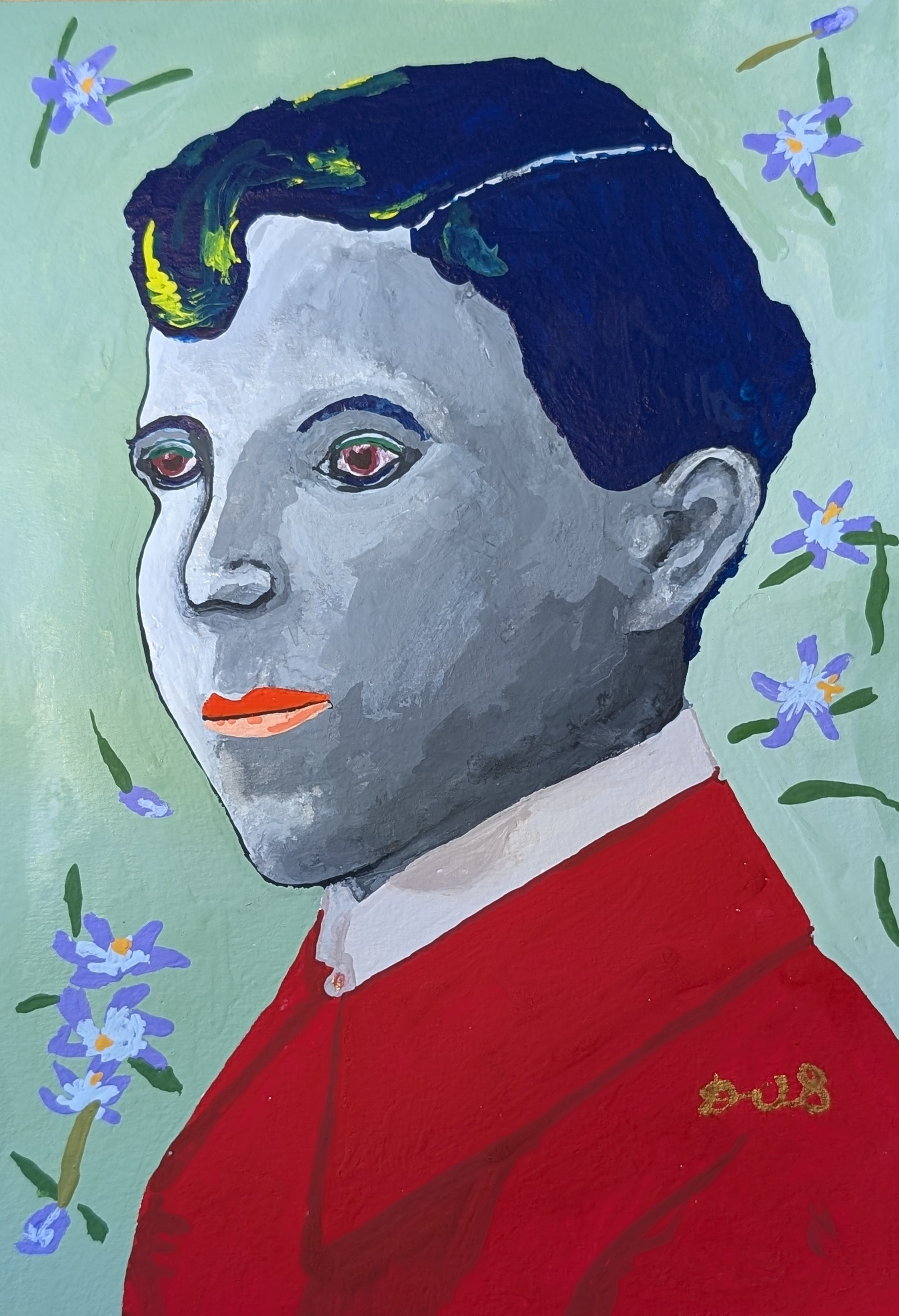
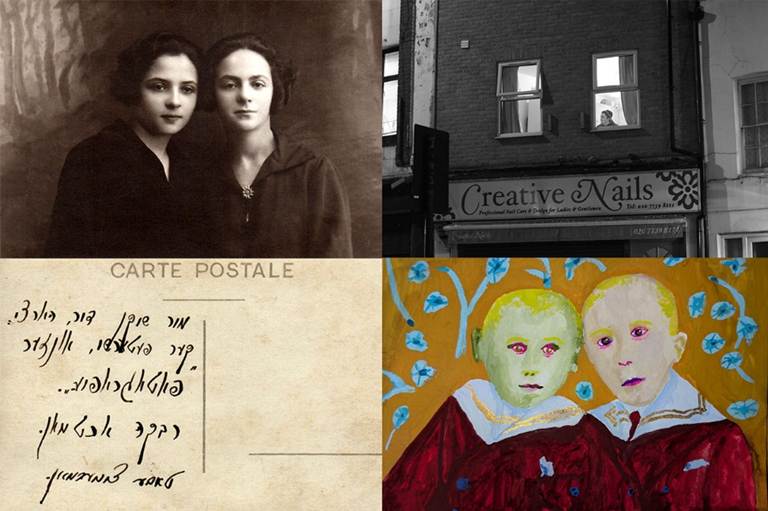
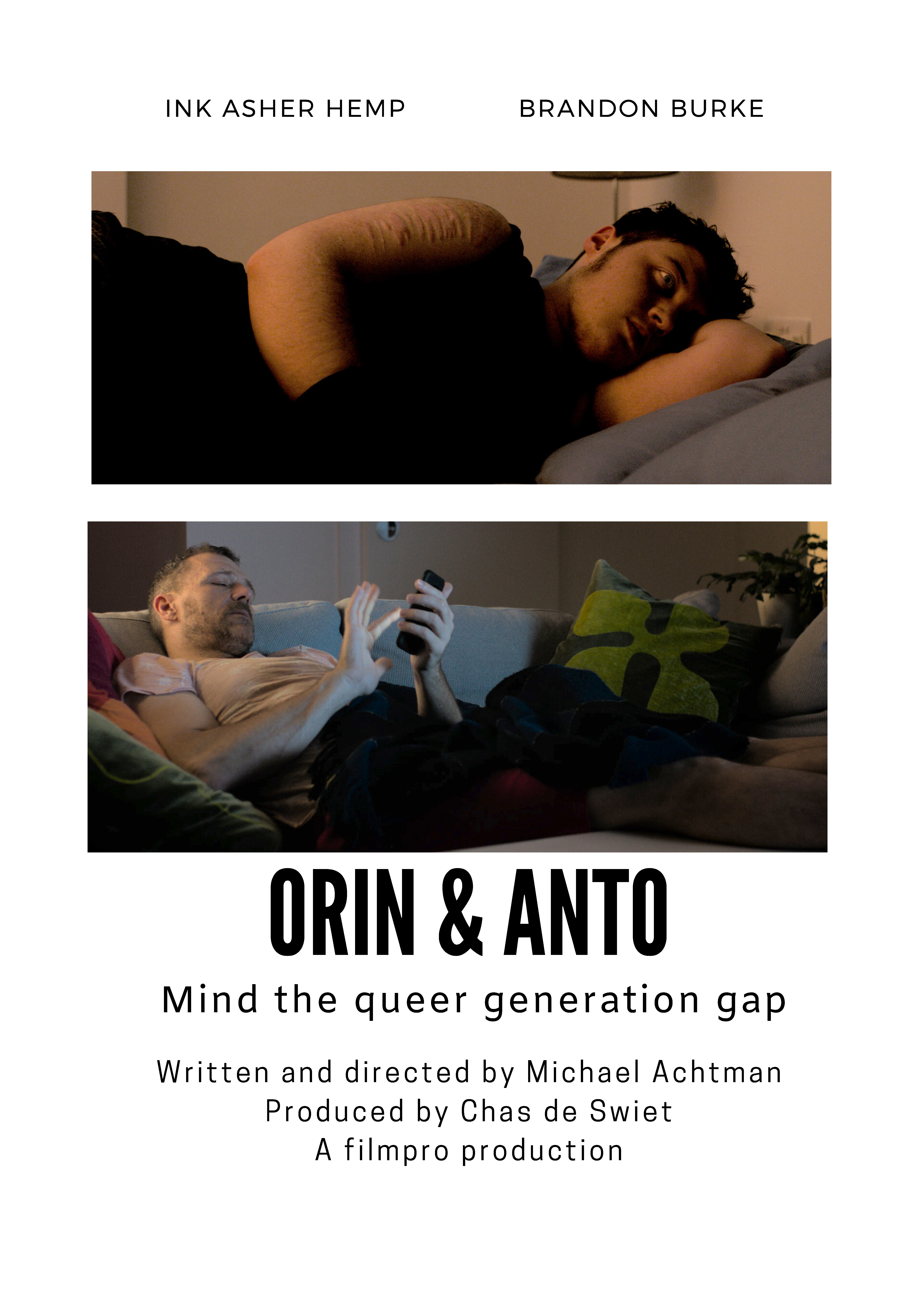
Below is my artist statement for the Sonder exhibition at Acme Studios, on show until the end of October. (See previous post for details.) For full image descriptions, jump to the end of this post.
My work in this exhibition consists of a series of gouache paintings inspired by photographs I found in an old photo album that belonged to my grandfather, Itche Achtman, who emigrated from Chelm, Poland to Montreal, Canada in 1927. I didn’t really know him, as he died when I was just four years old, but it seems like I must have inherited his artistic genes– he was known to love literature and act in community theatre – and I always imagine that had he lived he would have been the relative most able to appreciate my own path in life.
SONDER – a “TWO-PLUS-TWO” exhibition at ACME Studios, in association with filmpro
Paintings, vintage portraits and original photos by Çağlar Kimyoncu and Michael Achtman. Curated by Zeynep Dağlı.
Sonder: The feeling one has on realizing that every other individual one sees has a life as full and real as one’s own, in which they are the central character and others, including oneself, have secondary or insignificant roles. The term was coined by John Koenig for his The Dictionary of Obscure Sorrows, a collection of invented words for emotions that are difficult to express.
Lives caught in passing or forgotten. Portraits of people and spaces. The traces we leave behind.
[Video Description: Xavier, a wiry man about 30, olive skinned with short, curly black hair and a goatee, sits at a dining table with wine glass, wine bottle and goblet, and a decorated cake. Another man, Arthur, sits opposite with only his arms and hands visible, tearing a crust of bread. Later, Arthur rises and enters the kitchen area behind Xavier. He’s a similarly aged, tall, blond and bearded, pale-skinned man, wearing a beanie.]
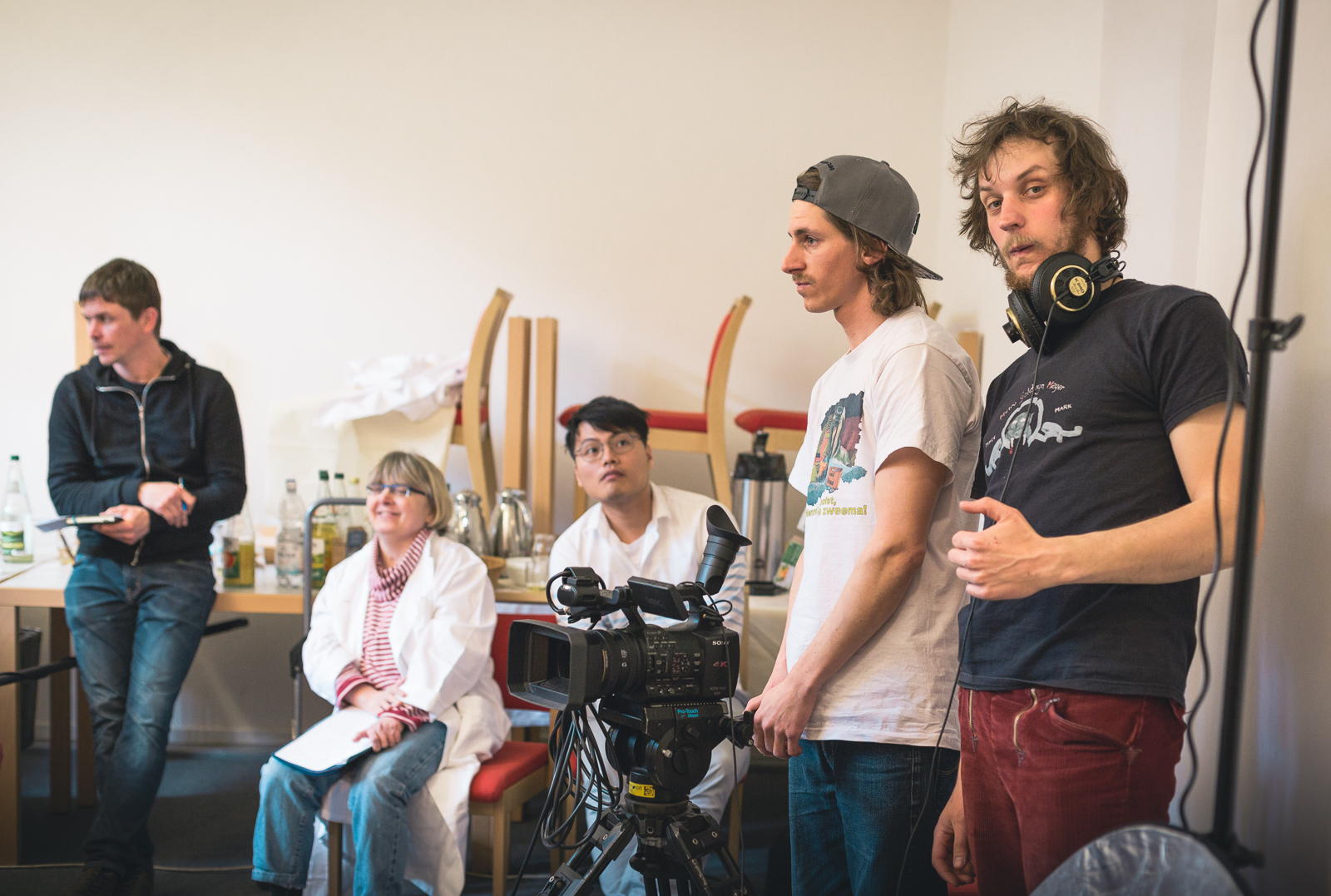
Çağlar Kimyoncu and I collaborated during lockdown to develop this story. We found two actors who lived together – Delcio Ferreira and William McGeough -and started meeting with them over Zoom every week, creating improvisations around an early script, but not going back to the script until just before shooting. Then shooting it DIY in our studio once lockdown ended, with a crew of just me, Çağlar and 4 others over 3 days.
For me it’s been powerful and revealing dive into relationship dynamics, a labour of love, and a lockdown project all at the same time.
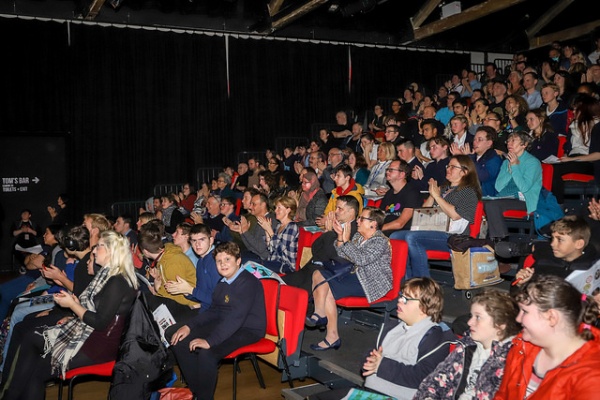
Check out the lovely interview I had with Poppi Fella Pellegrino on her Queerator podcast. Poppi is a filmmaker and a great podcast host. She’s also the daughter of my former theatre collaborator Sabina Fella – we had lots to talk about. You can listen on Spotify or Youtube – the Youtube version has captions.
Here’s a short film I made recently in memory of R.M. Vaughan, poet/writer/filmmaker/visual artist/critic/collaborator.
Richard Vaughan and I made twelve (I think) short films in the 90’s in Toronto. Many of them shot on Super 8, the first ones edited on analogue at Trinity Square Video, some of the Super 8’s edited in camera. Lots of times we’d recruit Laura Cowell on camera, and sometimes Roy Mitchell. There was one we made for Splice This! Festival where I did the audio and Richard shot the footage and only at the screening did we see it come together for the first time.
Richard was great at initiating projects and, through his vast and ever-growing circle of friends and colleagues, finding opportunities to screen our work. He’d hand me a poem and give me a deadline. At the time, a lot of it seemed random and rushed, but looking back I cherish the ephemeral nature of it, the ease, and having someone who wanted to make things with me. I was never quite sure why he chose me to work with and, to be honest, I don’t know why we stopped.
When I found out he’d died, I went to look through my box of our films and tapes. So much of it needs attention – mini DV tapes and BETACAM SP and VHS copies. And then there were loads of Super 8 reels that I started feeding through my projector. Some of them were originals of our films, some were reels from other projects – I even found some footage from my parents honeymoon. I was hoping to find some forgotten outtakes with Richard appearing, a bonus surprise incarnation that would counter the loss of his real self. Nothing like that was there, in fact there was no footage of Richard at all. I was the actor, the ham, the drag queen. His voice, reciting or singing, accompanied on the soundtracks.
There was a reel of footage I remember shooting but have no idea why, footage of Toronto, lingering shots of cute boys, faces of passersby full of intention, going somewhere or going nowhere. I shot the projection on my phone and started editing, adding words that popped into my head that express, in an abstract, RM Vaughan poetic kind of way, my scattered, shattered feelings.
Wonderful week screening Awake at FilmFest Dresden and presenting a workshop in Accessible Filmmaking. Introducing an inclusive process that started with access auditing, nine participating filmmakers were challenged to create a short film complete with access features in just three days.
Day one looked at the representation of D/deaf and disabled people in contemporary cinema, covering both bad examples (from the pitiful to the heroic) to best practice where disability is just one aspect of the characters’ identities. Through a series of writing exercises, we came up with a scenario for our visiting “talent”: British actress Margo Cargill (Awake, Birds of a Feather, White Man Van) and Maxime D. Pomerleau (Prends Moi, Fubar Age of Computer) a fantastic Québecoise actress that we met at Look & Roll in Basel. Margo is blind and Maxime uses a wheelchair, so this was an opportunity to script disabled characters, and look at how the filmmaking process could be adapted to make it accessible for both of them.